cache
Read More
Author: Phoslab
Lakeland FL Testing News and More
cache
Read MoreHurricane Irma was one of the most powerful storms in history and its effects continue to impact the hardest-hit areas, including the state of Florida. News coverage has focused on power outages and flooding, but a less-known effect is the harmful water contamination that continues still. According to reports filed with the Florida Department of […]
Read MoreWhat is a VOC? Volatile organic compounds (VOC) are organic chemicals that, as a result of having a very low boiling point, easily become a gas in the surrounding air. From its natural liquid or solid compound state, it then evaporates or sublimates into the air. Formaldehyde that evaporates from paint is an example of […]
Read MoreWhat are VOCs? Volatile organic compounds are any materials made up of carbon, hydrogen, and potentially oxygen that can easily evaporate into a gas under very low boiling points. This makes it possible for them to evaporate under normal indoor temperature and pressure. The volatility of a compound is usually measured by its boiling point. […]
Read More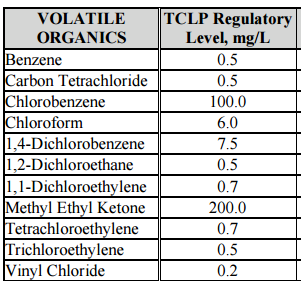
Volatile organic compounds, or VOCs, are known for the way they evaporate at room temperature, often emitting scents in the process. It is this readiness to evaporate that makes VOCs a common component in paints – VOC solvents, for example are used as drying agents in many paints, so the paint dries as solvent evaporates. […]
Read MoreFlorida’s Petroleum Restoration Program aims to reduce the impact of petroleum-related contamination and one way is through regulation of storage tanks. Site owners, project managers, and anyone else involved in construction activities at sites involving storage tanks should be aware of the laws requiring testing for Kerosene Analytical Group (KAG) substances and rely on a […]
Read MoreSites contaminated by petroleum discharge impact the surrounding environment and human health; as a consequence, the owners face liability. The Florida Department of Environmental Protection’s (DEP) Petroleum Restoration Program provides a solution by remediating the damage caused by discharge of petroleum and petroleum products from fixed petroleum storage systems. The Program is a great resource […]
Read MoreWhen most people think of tap water, they probably do not associate it with health risks. However, there are PFAS chemicals contaminating the drinking water in well over half of American states and PFAS chemical testing plays a crucial role in reducing the threat. What are PFAS chemicals? PFAS is the common name for perfluorinated […]
Read MorePhoslab receives requests from clients such as manufacturing and engineering firms and agricultural businesses in need of fast, accurate toxicity characteristic leaching procedure (TCLP) analysis in order to stay in compliance with regulations of the Environmental Protection Agency (EPA). Phoslab offers TCLP testing meeting the current EPA standards so that clients can rest assured that […]
Read More